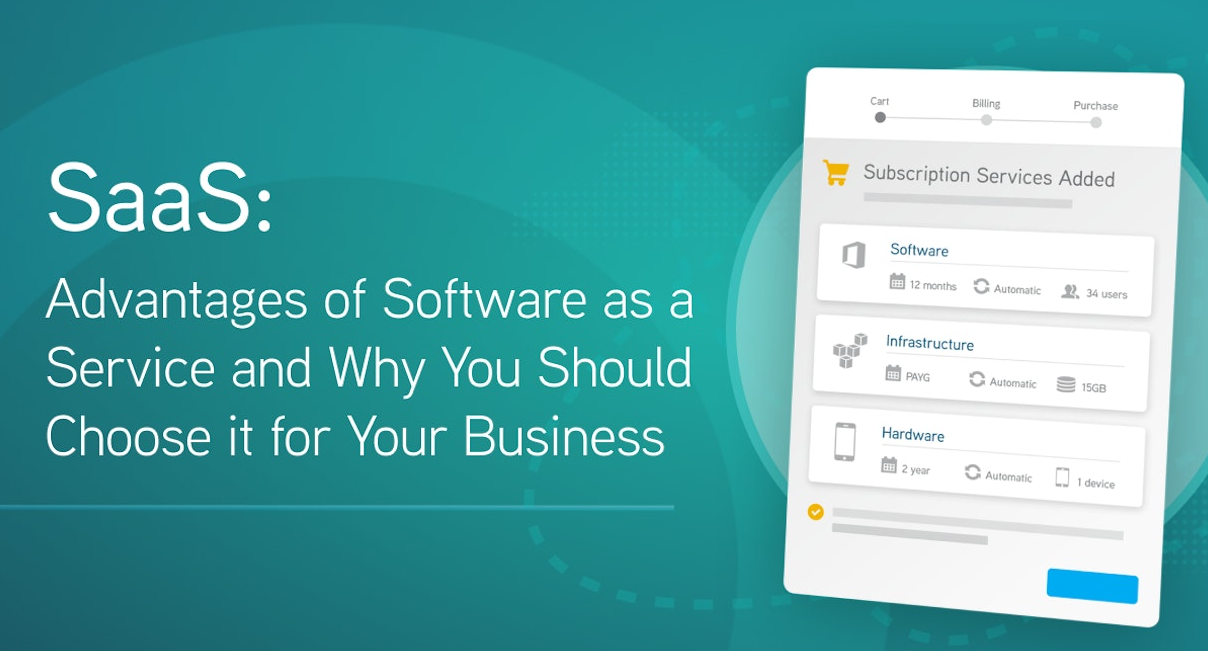
In today’s rapidly evolving digital economy, businesses are under constant pressure to streamline operations, reduce costs, and make smarter financial decisions. Traditional financial systems—often bulky, expensive, and difficult to scale—are no longer sufficient to meet these demands. This is where Finance SaaS (Software as a Service) steps in as a transformative solution.
Finance SaaS platforms are cloud-based tools that allow businesses to manage accounting, budgeting, forecasting, payroll, and financial analytics without the need for on-premise infrastructure. Popular platforms such as SAP, Oracle, QuickBooks, and Xero have revolutionized how companies approach financial management.
In this comprehensive guide, we’ll explore the top benefits of Finance SaaS for modern businesses and why adopting this technology is no longer optional—but essential.
Top Benefits of Finance SaaS for Modern Businesses
1. Cost Efficiency and Reduced Capital Expenditure
One of the most significant advantages of Finance SaaS is cost savings. Traditional financial systems require heavy upfront investments in hardware, software licenses, IT infrastructure, and maintenance. These costs can be overwhelming, especially for startups and small-to-medium enterprises (SMEs).
Finance SaaS eliminates these expenses by offering a subscription-based model. Businesses pay only for what they use, typically on a monthly or annual basis.
Key Cost Benefits:
- No need for expensive servers or hardware
- Reduced IT staffing requirements
- Lower maintenance and upgrade costs
- Predictable budgeting with fixed subscription fees
This shift from capital expenditure (CapEx) to operational expenditure (OpEx) allows companies to allocate resources more strategically.
2. Scalability and Flexibility
Modern businesses need systems that can grow with them. Finance SaaS platforms are inherently scalable, allowing organizations to easily upgrade or downgrade their plans based on changing needs.
Whether you’re a startup experiencing rapid growth or an established enterprise expanding into new markets, Finance SaaS adapts seamlessly.
Scalability Advantages:
- Add users or features instantly
- Expand across multiple locations without infrastructure changes
- Handle increased transaction volumes effortlessly
This flexibility ensures that your financial systems never become a bottleneck for growth.
3. Real-Time Financial Data and Insights
In the digital age, data is everything. Finance SaaS platforms provide real-time access to financial data, enabling businesses to make informed decisions quickly.
Unlike traditional systems that rely on periodic updates, SaaS solutions continuously sync data across all departments.
Benefits of Real-Time Data:
- Instant visibility into cash flow
- Up-to-date financial reports
- Faster decision-making
- Improved forecasting accuracy
With real-time insights, business leaders can respond to market changes proactively rather than reactively.
4. Enhanced Collaboration Across Teams
Finance is no longer confined to the accounting department. Today, multiple teams—including operations, marketing, and management—need access to financial data.
Finance SaaS platforms are designed for collaboration, allowing multiple users to access and work on the same data simultaneously from anywhere.
Collaboration Features:
- Role-based access controls
- Cloud-based document sharing
- Integrated communication tools
- Cross-departmental data visibility
This fosters better alignment across teams and improves overall organizational efficiency.
5. Accessibility and Remote Work Enablement
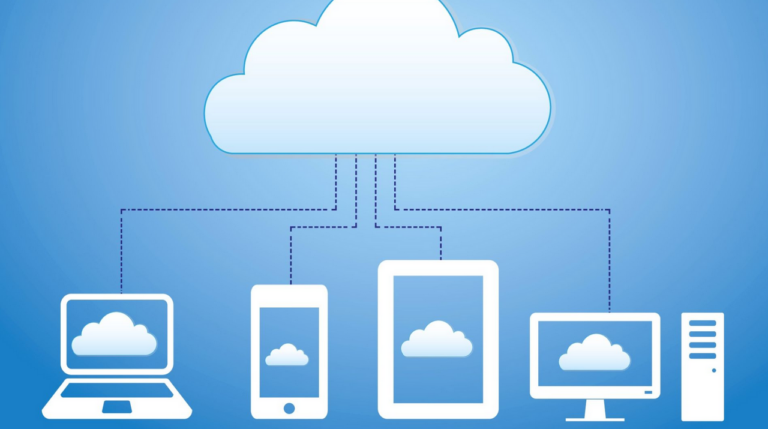
With the rise of remote work, businesses need tools that are accessible from anywhere. Finance SaaS platforms are cloud-based, meaning users can log in from any device with an internet connection.
Accessibility Benefits:
- Work from home or on the go
- Access via desktop, tablet, or mobile
- No dependency on office infrastructure
This flexibility is especially valuable in today’s hybrid work environment, where teams are often distributed across different locations.
6. Automatic Updates and Maintenance
One of the biggest challenges with traditional financial software is keeping it up to date. Updates can be time-consuming, costly, and disruptive.
Finance SaaS providers handle all updates and maintenance automatically. This ensures that businesses always have access to the latest features, security patches, and compliance updates.
Advantages:
- No downtime for manual updates
- Continuous improvement without extra cost
- Always compliant with latest regulations
This allows businesses to focus on operations rather than IT management.
7. Improved Security and Data Protection
Security is a top concern for any business dealing with financial data. Finance SaaS providers invest heavily in advanced security measures to protect sensitive information.
Security Features:
- Data encryption (in transit and at rest)
- Multi-factor authentication (MFA)
- Regular security audits
- Compliance with global standards
Leading platforms like Oracle and SAP offer enterprise-grade security that often surpasses what individual businesses can implement on their own.
8. Integration with Other Business Tools
Modern businesses rely on a variety of software solutions, from CRM systems to e-commerce platforms. Finance SaaS platforms are designed to integrate seamlessly with these tools.
Integration Benefits:
- Sync data across systems
- Reduce manual data entry
- Improve accuracy and efficiency
- Create a unified business ecosystem
For example, integrating accounting tools like QuickBooks with CRM or payroll systems can significantly streamline operations.
9. Automation of Financial Processes
Automation is a game-changer in financial management. Finance SaaS platforms automate repetitive tasks, freeing up time for more strategic activities.
Common Automated Tasks:
- Invoice generation
- Expense tracking
- Payroll processing
- Tax calculations
- Financial reporting
Automation reduces human error and ensures consistency across financial processes.
10. Better Compliance and Regulatory Support
Keeping up with financial regulations can be challenging, especially for businesses operating in multiple regions.
Finance SaaS platforms are designed to comply with local and international regulations, automatically updating to reflect changes in tax laws and reporting standards.
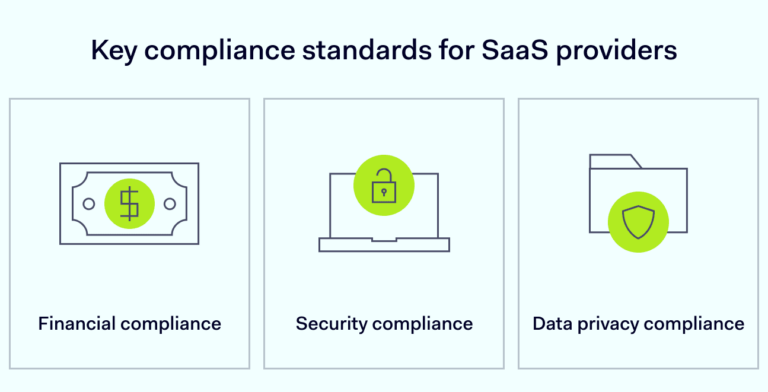
Compliance Benefits:
- Built-in tax calculations
- Audit-ready financial records
- Regulatory updates handled automatically
- Reduced risk of penalties
This is particularly valuable for businesses looking to expand globally.
11. Advanced Analytics and Forecasting
Finance SaaS platforms offer powerful analytics tools that go beyond basic reporting. Businesses can leverage these tools to gain deeper insights into their financial performance.
Analytics Features:
- Custom dashboards
- Predictive analytics
- Scenario modeling
- Trend analysis
Platforms like Xero provide intuitive dashboards that help businesses visualize data and make strategic decisions.
12. Faster Implementation and Deployment
Traditional financial systems can take months—or even years—to implement. Finance SaaS platforms, on the other hand, can be deployed بسرعة (quickly) within days or weeks.
Deployment Advantages:
- Minimal setup time
- No hardware installation
- Easy onboarding for users
This rapid deployment allows businesses to start seeing benefits almost immediately.
13. Customization and Personalization
Every business has unique financial needs. Finance SaaS platforms offer customizable features that allow companies to tailor the system to their specific requirements.
Customization Options:
- Custom reporting templates
- Configurable workflows
- Personalized dashboards
- Industry-specific modules
This ensures that the platform aligns perfectly with your business processes.
14. Environmental Sustainability
By moving to cloud-based systems, businesses can reduce their reliance on physical infrastructure and paper-based processes.
Sustainability Benefits:
- Lower energy consumption
- Reduced carbon footprint
- Paperless operations
Finance SaaS contributes to greener business practices, which is increasingly important in today’s environmentally conscious world.
15. Competitive Advantage
Ultimately, adopting Finance SaaS gives businesses a significant competitive edge. With better data, faster processes, and improved efficiency, companies can outperform competitors who rely on outdated systems.
Competitive Advantages:
- Faster decision-making
- Greater agility
- Improved customer experience
- Enhanced profitability
In a fast-paced market, these advantages can make all the difference.
Conclusion
Finance SaaS is no longer just a trend—it’s a fundamental shift in how businesses manage their finances. From cost savings and scalability to real-time insights and enhanced security, the benefits are undeniable.
Platforms like QuickBooks, Xero, SAP, and Oracle have set the standard for modern financial management, empowering businesses of all sizes to operate more efficiently and strategically.
As the digital landscape continues to evolve, companies that embrace Finance SaaS will be better positioned to adapt, innovate, and thrive. Whether you’re a startup looking to scale or an enterprise aiming to optimize operations, Finance SaaS is a powerful tool that can drive long-term success.