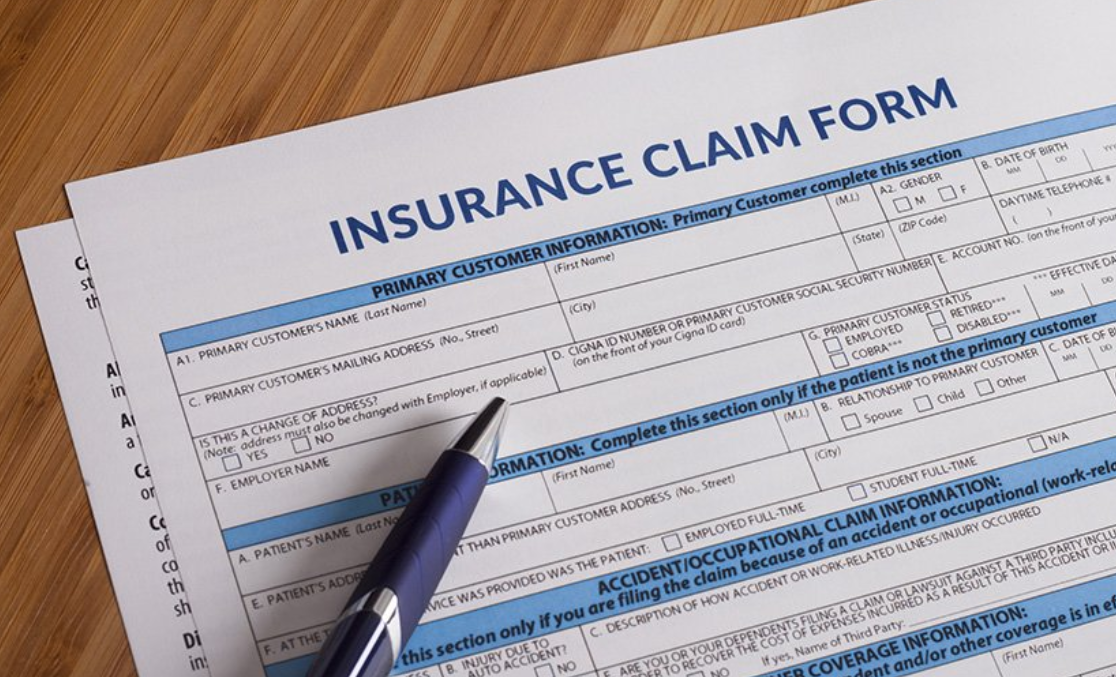
Filing an insurance claim can feel overwhelming, especially during stressful situations like accidents, property damage, or health emergencies. However, understanding the process and following the right steps can significantly increase your chances of a smooth and successful claim.
In this comprehensive guide, you’ll learn everything you need to know about filing an insurance claim successfully—from preparation and documentation to avoiding common mistakes and maximizing your payout.
What Is an Insurance Claim?
An insurance claim is a formal request made by a policyholder to an insurance company for compensation or coverage for a covered loss or policy event. Once you submit a claim, the insurer reviews the situation and determines whether the loss is covered under your policy.
Claims can be filed for various types of insurance, including:
- Health insurance
- Auto insurance
- Homeowners or renters insurance
- Life insurance
- Business insurance
Each type of insurance has its own procedures, but the core process remains similar.
Why Filing a Claim Correctly Matters
Filing your claim properly is critical for several reasons:
- Faster processing time
- Higher chances of approval
- Maximum compensation
- Reduced risk of claim denial
Even small mistakes—like missing documents or delayed reporting—can lead to complications or even rejection of your claim.
Step 1: Review Your Insurance Policy
Before filing a claim, the first step is to carefully review your insurance policy.
Key Things to Check:
- Coverage details
- Exclusions and limitations
- Deductibles
- Claim filing deadlines
- Required documentation
Understanding your policy helps you determine whether your situation qualifies for a claim and what compensation you can expect.
Step 2: Act Immediately After the Incident
Timing is crucial when filing an insurance claim. Most policies require prompt reporting of incidents.
What You Should Do:
- Ensure safety first (seek medical help if needed)
- Prevent further damage (e.g., cover a broken roof)
- Notify authorities if necessary (e.g., police report for accidents or theft)
Delays can raise suspicion and may result in claim denial.
Step 3: Document Everything Thoroughly
Proper documentation is one of the most important factors in a successful claim.
Essential Documentation:
- Photos and videos of the damage
- Receipts and invoices
- Medical reports (for health-related claims)
- Police reports (if applicable)
- Witness statements
Pro Tip:
Take clear, high-quality images from multiple angles and keep backups of all files.
Step 4: Notify Your Insurance Company
Contact your insurance provider as soon as possible after the incident.
How to Report a Claim:
- Online via the insurer’s website or app
- Phone call to customer service
- Through an insurance agent
Provide accurate and honest information when reporting the incident.
Step 5: Fill Out the Claim Form Accurately
Your insurer will require you to complete a claim form. This document is critical for processing your request.
Tips for Completing the Form:
- Double-check all information
- Be clear and detailed in your description
- Avoid exaggeration or false statements
- Attach all required documents
Incomplete or inaccurate forms can delay your claim or lead to rejection.
Step 6: Work With the Insurance Adjuster
An insurance adjuster is assigned to evaluate your claim and determine the compensation amount.
What the Adjuster Does:
- Inspects the damage
- Reviews documentation
- Verifies claim details
How to Cooperate Effectively:
- Be present during inspections
- Provide additional information if requested
- Keep communication professional
Step 7: Keep Detailed Records
Maintain a record of all communications and documents related to your claim.
What to Track:
- Emails and letters
- Phone call logs (date, time, summary)
- Claim reference numbers
- Submitted documents
This can help resolve disputes and ensure transparency.
Step 8: Understand the Settlement Offer
Once your claim is processed, the insurer will provide a settlement offer.
Before Accepting:
- Review the offer carefully
- Compare it with your policy coverage
- Ensure all damages are included
If the offer seems too low, you have the right to negotiate.
Step 9: Negotiate If Necessary
Many policyholders accept the first offer without question—but negotiation can lead to better compensation.
Negotiation Tips:
- Provide additional evidence
- Get repair estimates from professionals
- Stay calm and professional
- Know your policy limits
Step 10: Receive Your Payment
Once the claim is approved and finalized, you’ll receive your payment.
Payment Methods:
- Bank transfer
- Check
- Direct payment to service providers
Make sure the payment matches the agreed settlement.
Common Mistakes to Avoid
Filing an insurance claim can be tricky, and mistakes can cost you time and money.
Avoid These Errors:
1. Delaying the Claim
Waiting too long to report the incident can lead to denial.
2. Incomplete Documentation
Missing documents can slow down or invalidate your claim.
3. Providing Incorrect Information
Even small inaccuracies can raise red flags.
4. Not Understanding Your Policy
Many claims are denied because the policyholder didn’t realize the event wasn’t covered.
5. Accepting the First Offer Too Quickly
Always review and consider negotiating.
Tips to Maximize Your Insurance Claim
To ensure the best possible outcome, follow these expert tips:
1. Be Honest and Transparent
Honesty builds trust with your insurer and reduces complications.
2. Stay Organized
Keep all documents and records in one place.
3. Follow Deadlines
Submit all forms and documents on time.
4. Get Professional Help if Needed
Consider hiring a public adjuster or legal expert for complex claims.
5. Communicate Clearly
Maintain open and clear communication with your insurer.
Special Considerations for Different Types of Claims
Auto Insurance Claims
- Take photos of the accident scene
- Exchange information with other drivers
- File a police report if required
Health Insurance Claims
- Keep medical bills and prescriptions
- Verify hospital network coverage
- Submit claims promptly
Home Insurance Claims
- Document property damage thoroughly
- Make temporary repairs to prevent further damage
- Keep receipts for repairs
Life Insurance Claims
- Provide death certificate
- Submit beneficiary details
- Follow insurer-specific procedures
When to Seek Professional Assistance
Sometimes, filing a claim can become complicated.
Consider Expert Help If:
- Your claim is denied
- The settlement is too low
- The process is taking too long
- The claim is complex or high-value
Professionals like public adjusters or insurance attorneys can help you navigate the process.
What to Do If Your Claim Is Denied
A denied claim doesn’t mean the end of the road.
Steps to Take:
- Review the denial letter carefully
- Understand the reason for denial
- Gather additional evidence
- File an appeal
- Seek professional advice if needed
Persistence and proper documentation can sometimes overturn a denial.
The Role of Technology in Insurance Claims
Modern technology has made the claims process faster and more efficient.
Key Innovations:
- Mobile apps for instant claim filing
- AI-powered claim assessments
- Digital document uploads
- Real-time claim tracking
Using these tools can simplify the process and reduce delays.
Final Thoughts
Filing an insurance claim successfully doesn’t have to be stressful. By understanding your policy, acting quickly, documenting everything, and following the correct procedures, you can significantly improve your chances of a smooth and successful claim.
Remember, preparation is key. The more organized and informed you are, the better your outcome will be.
Frequently Asked Questions (FAQs)
1. How long does it take to process an insurance claim?
It varies depending on the type of claim, but most are processed within a few days to several weeks.
2. Can I file a claim online?
Yes, most insurance companies offer online claim filing through websites or mobile apps.
3. What happens if I miss the claim deadline?
Your claim may be denied, so it’s important to file as soon as possible.
4. Can I reopen a closed claim?
In some cases, yes—especially if new evidence is found.
5. Do all claims require an adjuster?
Not always. Smaller claims may be processed without an inspection.