In today’s hyper-competitive digital marketplace, e-commerce businesses are under constant pressure to streamline operations, improve financial visibility, and scale efficiently. One of the most powerful tools enabling this transformation is Finance SaaS (Software-as-a-Service). Whether you’re running a small online store or managing a global marketplace, adopting Finance SaaS solutions can fundamentally change how you manage money, analyze performance, and drive growth.
This comprehensive guide explores everything you need to know about Finance SaaS for e-commerce businesses—from its core benefits to implementation strategies and future trends.
What Is Finance SaaS?
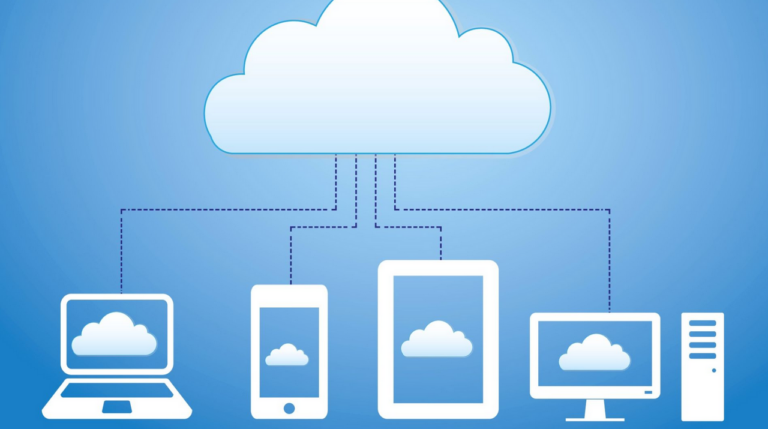
Finance SaaS refers to cloud-based financial software that businesses access via the internet rather than installing locally. These platforms handle a wide range of financial functions, including:
- Accounting and bookkeeping
- Billing and invoicing
- Expense tracking
- Financial reporting
- Tax compliance
- Payment processing
Unlike traditional financial software, SaaS solutions are subscription-based, scalable, and continuously updated.
Popular Finance SaaS tools used by e-commerce businesses include QuickBooks Online, Xero, and Stripe.
Why Finance SaaS Is Essential for E-Commerce
E-commerce businesses operate in a fast-moving environment with high transaction volumes, multiple payment gateways, and global customers. Managing finances manually or with outdated systems can quickly become overwhelming.
Finance SaaS solves this by offering:
1. Real-Time Financial Visibility
With Finance SaaS, you can monitor your revenue, expenses, and profits in real time. This is crucial for e-commerce businesses where daily fluctuations can significantly impact performance.
2. Automation of Financial Processes
Tasks like invoicing, reconciliation, and tax calculations are automated, reducing errors and saving time.
3. Scalability
As your business grows, SaaS platforms scale with you—handling more transactions, users, and integrations without requiring major upgrades.
4. Integration with E-Commerce Platforms
Finance SaaS tools integrate seamlessly with platforms like Shopify, WooCommerce, and Magento, enabling synchronized data flow.
Key Features of Finance SaaS for E-Commerce
To fully leverage Finance SaaS, it’s important to understand the core features that matter most for online businesses.
Automated Bookkeeping
Transactions from sales, refunds, and fees are automatically recorded and categorized, eliminating manual data entry.
Multi-Currency Support
E-commerce businesses often sell internationally. Finance SaaS platforms handle currency conversions and exchange rate fluctuations.
Tax Management
From VAT to sales tax, SaaS tools calculate and track taxes across regions, helping you stay compliant.
Inventory Accounting
Advanced platforms integrate inventory tracking with financial data, ensuring accurate cost-of-goods-sold (COGS) calculations.
Payment Reconciliation
Finance SaaS automatically matches payments from gateways like PayPal and Stripe with orders and invoices.
Benefits of Finance SaaS for E-Commerce Businesses
Improved Accuracy
Automation reduces human errors in calculations, reporting, and data entry.
Time Savings
Tasks that once took hours—like reconciliation or generating reports—can now be completed in minutes.
Better Decision-Making
Real-time dashboards and analytics provide insights into:
- Profit margins
- Customer acquisition costs
- Revenue trends
Cost Efficiency
No need for expensive hardware or IT maintenance. Subscription pricing makes budgeting predictable.
Remote Accessibility
Cloud-based access allows you to manage finances from anywhere—ideal for remote teams and global operations.
Challenges to Consider
While Finance SaaS offers numerous advantages, it’s not without challenges.
Data Security Concerns
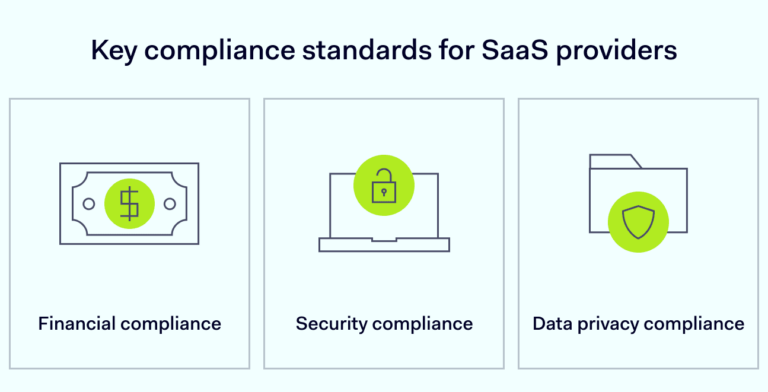
Storing financial data in the cloud raises concerns about breaches and unauthorized access. Choose platforms with strong encryption and compliance certifications.
Integration Complexity
Not all tools integrate seamlessly. You may need middleware or custom APIs.
Subscription Costs
While affordable initially, costs can increase as you add features, users, or higher transaction volumes.
Learning Curve
Teams may need time to adapt to new systems and workflows.
How to Choose the Right Finance SaaS Platform
Selecting the right solution depends on your business size, needs, and growth plans.
1. Assess Your Requirements
Consider:
- Monthly transaction volume
- Number of sales channels
- International operations
- Tax complexity
2. Check Integration Capabilities
Ensure compatibility with your e-commerce platform and payment gateways.
3. Evaluate User Experience
A clean, intuitive interface reduces training time and improves productivity.
4. Compare Pricing Models
Look for transparent pricing without hidden fees.
5. Review Security Standards
Choose platforms that comply with standards like:
- GDPR
- SOC 2
- PCI DSS
Implementation Guide for E-Commerce Businesses
Adopting Finance SaaS requires a structured approach.
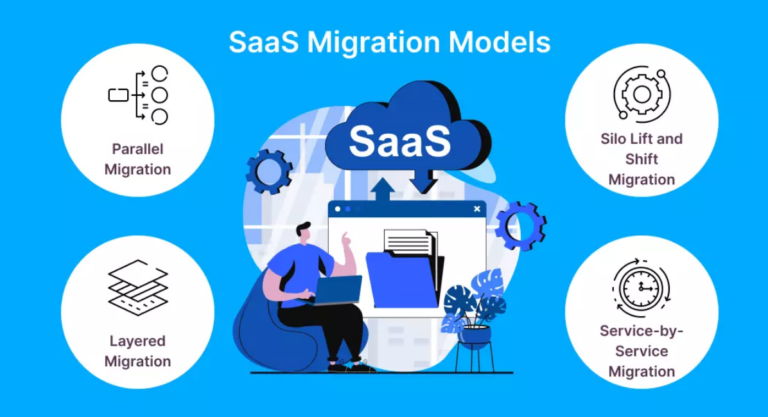
Step 1: Data Migration
Transfer existing financial data from spreadsheets or legacy systems.
Step 2: System Integration
Connect your e-commerce platform, payment gateways, and inventory systems.
Step 3: Workflow Automation
Set up automated processes for:
- Invoicing
- Expense tracking
- Tax calculations
Step 4: Staff Training
Train your team to use the new system effectively.
Step 5: Monitor and Optimize
Continuously analyze performance and adjust settings for better efficiency.
Use Cases of Finance SaaS in E-Commerce
Small Online Stores
For startups using platforms like Shopify, Finance SaaS simplifies bookkeeping and tax compliance.
Dropshipping Businesses
Automated expense tracking and supplier payments streamline operations.
Multi-Channel Sellers
Businesses selling on Amazon, eBay, and their own websites benefit from centralized financial data.
Subscription-Based E-Commerce
Recurring billing and revenue recognition are handled efficiently.
Finance SaaS vs Traditional Accounting Software
| Feature | Finance SaaS | Traditional Software |
|---|---|---|
| Deployment | Cloud-based | On-premise |
| Updates | Automatic | Manual |
| Accessibility | Anywhere | Limited |
| Scalability | High | Limited |
| Cost Structure | Subscription | One-time + maintenance |
Finance SaaS clearly offers more flexibility and scalability for modern e-commerce businesses.
Future Trends in Finance SaaS for E-Commerce
AI and Automation
Artificial intelligence is enhancing forecasting, fraud detection, and financial insights.
Embedded Finance
E-commerce platforms are integrating financial services directly into their ecosystems.
Real-Time Analytics
Advanced dashboards provide deeper insights into customer behavior and profitability.
Blockchain Integration
Improved transparency and security in financial transactions.
Best Practices for Maximizing Finance SaaS
Keep Data Clean
Regularly review and categorize transactions correctly.
Automate Wisely
Automate repetitive tasks but monitor for errors.
Regularly Review Reports
Use financial reports to guide business decisions.
Stay Updated
Take advantage of new features and updates from your SaaS provider.
Common Mistakes to Avoid
- Choosing a platform without proper integration
- Ignoring scalability needs
- Underestimating training requirements
- Not backing up data
- Overlooking hidden costs
Conclusion
Finance SaaS has become an indispensable tool for e-commerce businesses looking to streamline operations, improve accuracy, and scale efficiently. By leveraging cloud-based financial platforms, businesses can gain real-time insights, automate complex processes, and stay competitive in a rapidly evolving market.
Whether you’re just starting your e-commerce journey or scaling to new heights, adopting the right Finance SaaS solution can be a game-changer. The key is to choose a platform that aligns with your business needs, integrates seamlessly with your existing systems, and supports your long-term growth.
In a world where speed, accuracy, and adaptability are critical, Finance SaaS is not just an option—it’s a necessity for e-commerce success.