The modern workplace has undergone a dramatic transformation over the past decade, with remote work becoming a central part of how businesses operate. What was once considered a flexible perk is now a fundamental component of organizational strategy. Companies of all sizes—from startups to multinational enterprises—are embracing remote work environments to increase productivity, reduce costs, and access global talent.
At the heart of this shift lies a critical technological foundation: cloud hosting. Without it, remote work at scale would be inefficient, insecure, and often impossible. Cloud hosting provides the infrastructure, flexibility, and scalability needed to support distributed teams working from multiple locations around the world.
In this article, we will explore in depth why cloud hosting is essential for remote work environments, examining its benefits, features, and long-term impact on businesses.
What Is Cloud Hosting?
Cloud hosting refers to a type of web hosting that uses multiple servers to balance load and maximize uptime. Instead of relying on a single physical server, cloud hosting draws resources from a network of virtual and physical servers.
This setup allows businesses to:
- Access data and applications from anywhere
- Scale resources on demand
- Improve performance and reliability
- Reduce dependency on physical infrastructure
In a remote work environment, these capabilities become indispensable.
The Rise of Remote Work
Remote work has surged due to several factors:
- Advances in internet connectivity
- Increased adoption of digital tools
- Globalization of talent
- The need for business continuity during crises
Organizations now require systems that allow employees to collaborate and operate efficiently regardless of location. Traditional hosting solutions simply cannot meet these demands.
Key Reasons Cloud Hosting Is Essential for Remote Work
1. Accessibility from Anywhere
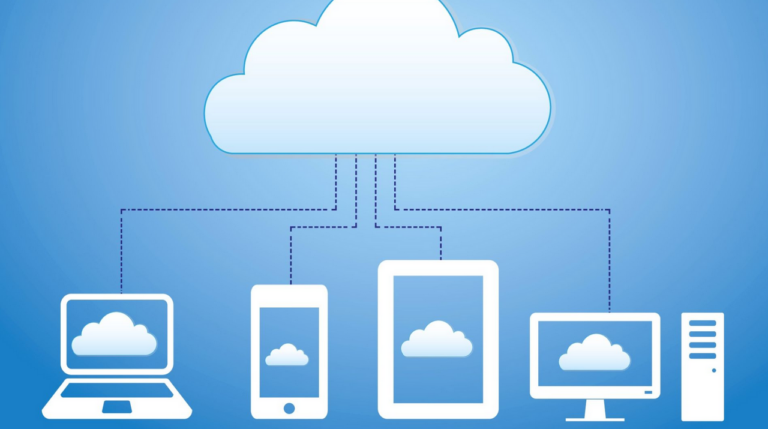
One of the most important aspects of remote work is the ability to access systems from any location. Cloud hosting enables employees to log in to company resources using any device with an internet connection.
This means:
- Teams can work from home, cafes, or co-working spaces
- Businesses can hire talent globally
- Work continues uninterrupted during travel or emergencies
Without cloud hosting, employees would be tied to office-based servers, limiting flexibility and productivity.
2. Enhanced Collaboration
Remote teams rely heavily on collaboration tools such as shared documents, project management platforms, and communication apps.
Cloud hosting supports:
- Real-time document editing
- Centralized file storage
- Seamless integration with collaboration tools
- Instant updates across all users
This ensures that team members are always on the same page, regardless of time zone differences.
3. Scalability and Flexibility
Remote work environments often experience fluctuating workloads. For example:
- A startup may suddenly scale its team
- A business may experience seasonal traffic spikes
- Projects may require temporary resource increases
Cloud hosting allows organizations to:
- Scale resources up or down instantly
- Pay only for what they use
- Avoid over-provisioning hardware
This flexibility is crucial for maintaining efficiency and controlling costs.
4. Cost Efficiency
Traditional IT infrastructure requires significant upfront investment in:
- Hardware
- Maintenance
- Physical space
- IT staff
Cloud hosting eliminates many of these costs by offering a subscription-based model.
Benefits include:
- Lower capital expenditure
- Reduced maintenance costs
- No need for physical servers
- Energy savings
For remote-first companies, this translates into substantial financial advantages.
5. Improved Security
Security is a major concern in remote work environments. Employees accessing systems from different locations and devices increases the risk of cyber threats.
Cloud hosting providers offer advanced security features such as:
- Data encryption
- Multi-factor authentication (MFA)
- Regular security updates
- Firewalls and intrusion detection systems
- Backup and disaster recovery solutions
These measures ensure that sensitive business data remains protected, even in distributed work settings.
6. Reliable Performance and Uptime
Downtime can be disastrous for remote teams, leading to lost productivity and revenue.
Cloud hosting ensures:
- High availability through multiple servers
- Load balancing to handle traffic spikes
- Automatic failover systems
- Minimal downtime
This reliability is critical for maintaining continuous operations in remote environments.
7. Disaster Recovery and Backup
Remote work environments require robust data protection strategies. Cloud hosting provides:
- Automated backups
- Data replication across multiple locations
- Quick recovery in case of failure
In the event of:
- Hardware failure
- Cyberattacks
- Natural disasters
Businesses can quickly restore operations without significant data loss.
8. Device Independence
Employees in remote work setups use various devices, including:
- Laptops
- Tablets
- Smartphones
Cloud hosting allows seamless access across all these devices without compatibility issues. This enhances user experience and ensures productivity is not limited by hardware constraints.
9. Integration with Modern Tools
Cloud hosting integrates easily with modern SaaS (Software as a Service) tools such as:
- CRM systems
- Project management tools
- Communication platforms
- File-sharing services
This integration creates a unified ecosystem that supports efficient remote work operations.
10. Environmental Sustainability
Cloud hosting contributes to sustainability by:
- Reducing the need for physical hardware
- Optimizing energy usage through shared resources
- Lowering carbon footprints
Remote work combined with cloud infrastructure results in fewer commutes and reduced office energy consumption, making it an environmentally friendly solution.
Cloud Hosting vs Traditional Hosting in Remote Work
| Feature | Cloud Hosting | Traditional Hosting |
|---|---|---|
| Accessibility | Global | Limited |
| Scalability | On-demand | Fixed |
| Cost | Pay-as-you-go | High upfront |
| Reliability | High | Moderate |
| Security | Advanced | Basic |
| Maintenance | Minimal | High |
This comparison clearly shows why cloud hosting is better suited for remote work environments.
Real-World Use Cases
1. Remote Startups
Startups often operate with distributed teams. Cloud hosting allows them to:
- Launch quickly
- Scale rapidly
- Minimize infrastructure costs
2. Digital Agencies
Agencies working with global clients benefit from:
- Shared project environments
- Real-time collaboration
- Fast deployment
3. E-commerce Businesses
Online stores rely on cloud hosting to:
- Handle traffic spikes
- Ensure uptime
- Secure customer data
4. Educational Platforms
Remote learning platforms use cloud hosting to:
- Deliver content globally
- Support live sessions
- Store large amounts of data
Challenges and How Cloud Hosting Solves Them
Challenge 1: Connectivity Issues
Cloud hosting ensures optimized delivery through global data centers.
Challenge 2: Data Security
Advanced encryption and compliance standards protect sensitive data.
Challenge 3: Team Coordination
Centralized systems improve communication and collaboration.
Challenge 4: Resource Management
Auto-scaling ensures efficient resource allocation.
Best Practices for Using Cloud Hosting in Remote Work
To maximize the benefits of cloud hosting, businesses should:
1. Choose the Right Provider
Evaluate providers based on:
- Reliability
- Security features
- Pricing
- Support
2. Implement Strong Security Policies
Use:
- MFA
- VPNs
- Access controls
3. Optimize Resource Usage
Monitor usage to avoid unnecessary costs.
4. Train Employees
Ensure team members understand how to use cloud tools effectively.
5. Regularly Backup Data
Even with cloud hosting, additional backups are recommended.
Future of Cloud Hosting in Remote Work
The future of work is increasingly remote and hybrid. Cloud hosting will continue to evolve with advancements such as:
- Artificial Intelligence integration
- Edge computing
- Serverless architectures
- Enhanced cybersecurity measures
These innovations will further strengthen the role of cloud hosting in enabling efficient and secure remote work environments.
Conclusion
Cloud hosting is no longer just an option—it is a necessity for modern remote work environments. It provides the infrastructure needed to support flexibility, scalability, security, and collaboration across distributed teams.
As businesses continue to adapt to changing work dynamics, investing in cloud hosting will be critical for maintaining competitiveness and operational efficiency. Whether you are a startup, a growing enterprise, or an established organization, cloud hosting offers the tools and capabilities required to thrive in the remote work era.
By embracing cloud hosting, companies can unlock new opportunities, empower their workforce, and build a resilient future in an increasingly digital world.
Final Thoughts
Remote work is here to stay, and the technology that supports it must be robust, adaptable, and secure. Cloud hosting meets all these requirements, making it the backbone of successful remote work strategies.
Organizations that leverage cloud hosting effectively will not only survive but thrive in the evolving landscape of work.