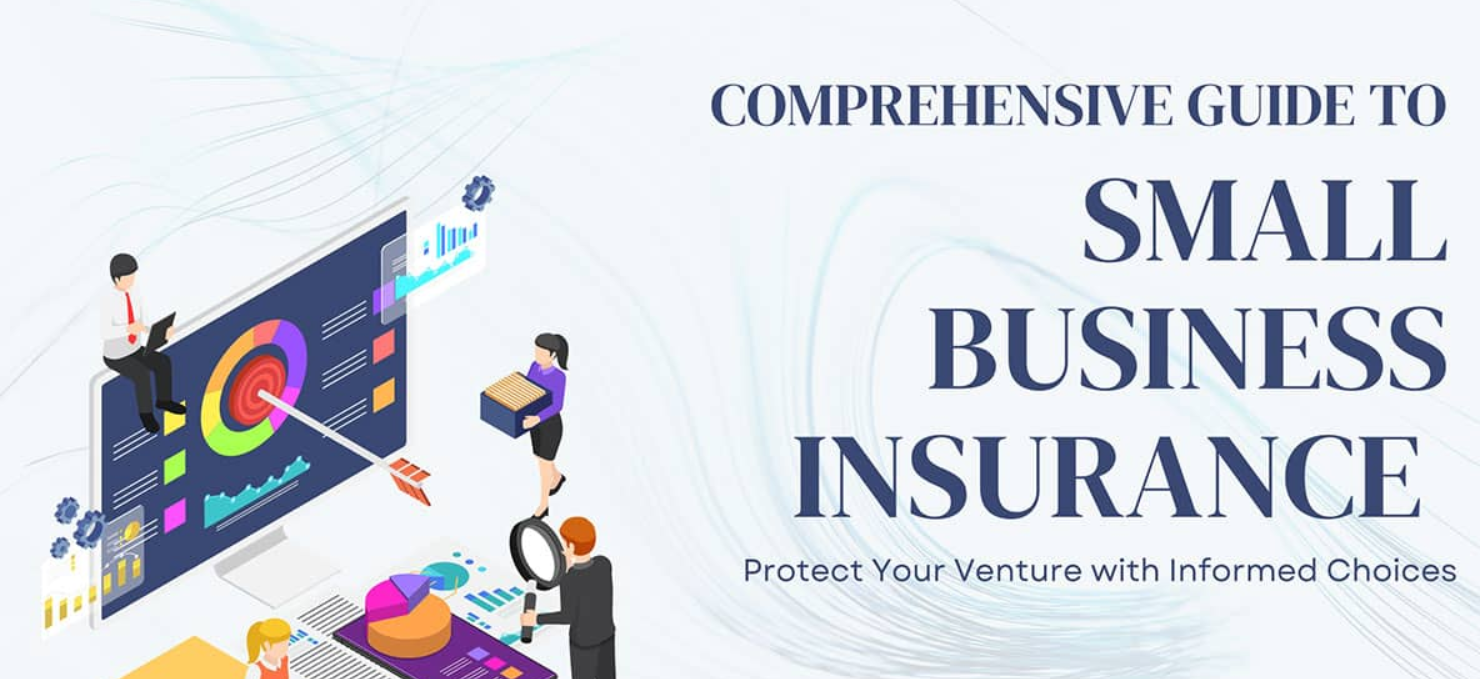
Running a small business is both exciting and challenging. While entrepreneurs often focus on growth, sales, and customer satisfaction, one critical aspect that should never be overlooked is insurance. Small business insurance acts as a safety net, protecting your company from unexpected financial losses that could otherwise threaten its survival.
In this comprehensive guide, we will explore everything you need to know about insurance for small businesses, including types of coverage, why it matters, how to choose the right policies, and tips to save money while staying protected.
Why Insurance Is Essential for Small Businesses
Every business, regardless of size or industry, faces risks. These risks can come from accidents, natural disasters, lawsuits, employee issues, or even cyber threats. Without proper insurance, a single incident could result in devastating financial consequences.
Here are some key reasons why small business insurance is essential:
1. Protection Against Financial Loss
Unexpected events such as property damage, theft, or lawsuits can cost thousands—or even millions—of dollars. Insurance ensures that your business can recover without draining its resources.
2. Legal Requirements
Certain types of insurance are mandatory depending on your location and business structure. For example, many regions require workers’ compensation insurance if you have employees.
3. Builds Credibility
Having insurance demonstrates professionalism and reliability. Clients and partners are more likely to trust a business that is properly insured.
4. Business Continuity
Insurance helps your business recover quickly after disruptions, allowing you to continue operations with minimal downtime.
Types of Insurance for Small Businesses
Understanding the different types of insurance available is crucial. Not every business needs every type, but most require a combination of coverages.
1. General Liability Insurance
This is one of the most important policies for any small business. It covers:
- Bodily injury claims
- Property damage caused to others
- Legal fees and settlements
For example, if a customer slips and falls in your store, general liability insurance can cover medical expenses and legal costs.
2. Property Insurance
Property insurance protects your physical assets, including:
- Buildings
- Equipment
- Inventory
- Furniture
It covers damage caused by events such as fire, theft, and certain natural disasters. If your office or shop is damaged, this policy helps you repair or replace assets.
3. Business Interruption Insurance
Also known as business income insurance, this coverage helps replace lost income if your business is forced to shut down temporarily due to a covered event.
For instance, if a fire damages your premises and you cannot operate for weeks, this insurance helps cover:
- Lost revenue
- Rent or mortgage payments
- Employee wages
4. Professional Liability Insurance
Also called errors and omissions (E&O) insurance, this policy is essential for service-based businesses. It protects against claims of:
- Negligence
- Mistakes
- Failure to deliver promised services
Consultants, designers, accountants, and IT professionals often rely on this coverage.
5. Workers’ Compensation Insurance
If you have employees, this insurance is often legally required. It covers:
- Medical expenses for work-related injuries
- Lost wages
- Rehabilitation costs
It also protects your business from lawsuits related to workplace injuries.
6. Commercial Auto Insurance
If your business uses vehicles, this insurance is necessary. It covers:
- Vehicle damage
- Liability for accidents
- Medical expenses
Personal auto insurance usually does not cover business-related use, making this policy essential.
7. Cyber Liability Insurance
In today’s digital world, cyber threats are increasing. Cyber liability insurance protects your business from:
- Data breaches
- Hacking incidents
- Loss of sensitive customer information
It can cover legal fees, notification costs, and system recovery.
8. Product Liability Insurance
If your business manufactures or sells products, this insurance protects against claims related to defective or harmful products.
Even a small defect can lead to significant legal issues, making this coverage crucial for product-based businesses.
How to Choose the Right Insurance for Your Business
Selecting the right insurance policies can feel overwhelming, but a strategic approach makes it easier.
1. Assess Your Risks
Start by identifying potential risks specific to your business. Consider:
- Industry type
- Business location
- Number of employees
- Use of equipment or vehicles
For example, a construction business faces higher physical risks than an online consulting service.
2. Understand Legal Requirements
Research the insurance requirements in your region. This ensures compliance and avoids penalties.
Common mandatory coverages include:
- Workers’ compensation
- Commercial auto insurance
- Certain liability policies
3. Determine Coverage Needs
Avoid both underinsurance and overinsurance. Evaluate:
- Value of your assets
- Potential liability exposure
- Revenue and operational costs
This helps you choose coverage limits that match your business size and risk level.
4. Compare Insurance Providers
Not all insurance providers offer the same policies or pricing. When comparing options, consider:
- Coverage details
- Premium costs
- Claim process
- Customer reviews
Choosing a reliable insurer is just as important as selecting the right coverage.
5. Bundle Policies
Many insurers offer Business Owner’s Policies (BOP), which combine:
- General liability
- Property insurance
- Business interruption coverage
Bundling policies can save money and simplify management.
Factors That Affect Insurance Costs
The cost of small business insurance varies widely depending on several factors.
1. Industry Risk
High-risk industries like construction or manufacturing typically have higher premiums than low-risk sectors like consulting.
2. Business Size
Larger businesses with more employees and higher revenue generally pay more for insurance.
3. Location
Areas prone to natural disasters or high crime rates may result in higher premiums.
4. Coverage Limits
Higher coverage limits increase premiums but provide greater protection.
5. Claims History
Businesses with a history of frequent claims may face higher insurance costs.
Tips to Save Money on Business Insurance
Insurance is an investment, but there are ways to reduce costs without sacrificing coverage.
1. Increase Deductibles
Choosing a higher deductible lowers your premium. However, ensure you can afford the deductible if a claim arises.
2. Implement Risk Management Practices
Reducing risks can lower insurance costs. Examples include:
- Installing security systems
- Training employees on safety procedures
- Regular equipment maintenance
3. Bundle Policies
As mentioned earlier, bundling multiple policies can lead to significant discounts.
4. Shop Around
Get quotes from multiple insurers to find the best deal.
5. Review Policies Annually
Your business evolves over time. Regularly reviewing your coverage ensures you’re not paying for unnecessary policies.
Common Mistakes to Avoid
Many small business owners make mistakes when purchasing insurance. Avoid these common pitfalls:
1. Underestimating Coverage Needs
Choosing minimal coverage to save money can backfire if a major incident occurs.
2. Ignoring Policy Details
Always read the fine print. Understand exclusions, limits, and conditions.
3. Not Updating Policies
Failing to update your insurance as your business grows can leave gaps in coverage.
4. Overlooking Cyber Risks
Even small businesses are targets for cyberattacks. Ignoring cyber insurance can be costly.
The Role of Insurance in Business Growth
Insurance is not just about protection—it also supports growth.
1. Enables Risk-Taking
With proper coverage, you can confidently pursue new opportunities without fear of financial ruin.
2. Attracts Clients and Investors
Many clients and investors prefer working with insured businesses, as it reduces risk.
3. Supports Long-Term Stability
Insurance ensures your business can withstand unexpected challenges and continue growing.
Industry-Specific Insurance Considerations
Different industries require tailored insurance solutions.
Retail Businesses
- General liability
- Property insurance
- Product liability
Service-Based Businesses
- Professional liability
- Cyber liability
Construction Businesses
- Workers’ compensation
- General liability
- Equipment coverage
Online Businesses
- Cyber liability
- Business interruption insurance
Understanding your industry’s unique risks helps you choose the right coverage.
How to File an Insurance Claim
Knowing how to file a claim is just as important as having insurance.
Step 1: Document the Incident
Take photos, gather evidence, and record details of the event.
Step 2: Notify Your Insurer
Report the incident as soon as possible.
Step 3: Provide Required Information
Submit all necessary documents, including:
- Receipts
- Reports
- Witness statements
Step 4: Work with the Adjuster
The insurance company will assign an adjuster to evaluate the claim.
Step 5: Receive Compensation
Once approved, you will receive payment based on your policy coverage.
Future Trends in Small Business Insurance
The insurance industry is evolving, and small businesses should stay informed about emerging trends.
1. Digital Insurance Platforms
Online tools make it easier to compare policies, purchase coverage, and manage claims.
2. Customized Policies
Insurers are offering more flexible, tailored policies to meet specific business needs.
3. Increased Focus on Cybersecurity
As cyber threats grow, cyber insurance is becoming a standard requirement.
4. Usage-Based Insurance
Some insurers offer policies based on actual usage, such as pay-per-mile commercial auto insurance.
Final Thoughts
Insurance is a fundamental part of running a successful small business. It protects your assets, ensures compliance, and provides peace of mind in an unpredictable world.
By understanding the different types of insurance, assessing your risks, and choosing the right policies, you can safeguard your business against potential threats. While insurance may seem like an added expense, it is ultimately an investment in your business’s future.
Take the time to evaluate your needs, compare providers, and build a comprehensive insurance strategy. With the right coverage in place, you can focus on what truly matters—growing your business and achieving long-term success.