In today’s fast-paced digital economy, businesses are increasingly relying on cloud-based solutions to streamline operations, improve financial visibility, and make smarter decisions. Finance Software-as-a-Service (SaaS) tools have emerged as essential assets for companies of all sizes—from startups to large enterprises—by offering scalable, cost-effective, and user-friendly financial management systems.
This comprehensive guide explores the best finance SaaS tools every business should consider, along with their features, benefits, and how to choose the right platform for your organization.
What Is Finance SaaS?
Finance SaaS refers to cloud-based software solutions that help businesses manage financial processes such as accounting, invoicing, payroll, budgeting, and financial reporting. Unlike traditional on-premise software, SaaS tools are hosted online and accessible from anywhere with an internet connection.
These tools typically operate on a subscription model, making them more affordable and flexible than legacy systems.
Why Finance SaaS Tools Are Essential
Before diving into specific tools, it’s important to understand why finance SaaS solutions are critical for modern businesses:
1. Real-Time Financial Insights
Finance SaaS tools provide real-time dashboards and analytics, allowing business owners to monitor cash flow, expenses, and profitability instantly.
2. Automation of Repetitive Tasks
Tasks like invoicing, payroll processing, and tax calculations can be automated, reducing manual errors and saving time.
3. Scalability
As your business grows, SaaS platforms can scale with your needs without requiring major infrastructure changes.
4. Cost Efficiency
No need for expensive hardware or IT maintenance—everything is managed in the cloud.
5. Remote Accessibility
Teams can access financial data anytime, anywhere, which is especially important for remote or distributed teams.
Top Finance SaaS Tools to Consider
Let’s explore some of the most popular and powerful finance SaaS tools available today.
1. QuickBooks Online
Overview
One of the most widely used accounting platforms globally, QuickBooks Online is designed for small to medium-sized businesses.
Key Features
- Expense tracking
- Invoicing and billing
- Tax preparation tools
- Financial reporting
- Integration with hundreds of apps
Why Choose QuickBooks?
QuickBooks is known for its ease of use and comprehensive feature set. It’s ideal for businesses that need a reliable, all-in-one accounting solution.
2. Xero
Overview
Xero is a cloud-based accounting software that offers powerful tools for managing finances with a clean and intuitive interface.
Key Features
- Bank reconciliation
- Multi-currency support
- Payroll integration
- Inventory tracking
- Real-time financial dashboards
Why Choose Xero?
Xero is perfect for businesses that operate internationally or require strong collaboration features for accountants and teams.
3. FreshBooks
Overview
FreshBooks is tailored for freelancers, consultants, and small businesses that need simple yet effective financial tools.
Key Features
- Time tracking
- Invoicing automation
- Expense management
- Client management
- Reporting tools
Why Choose FreshBooks?
Its user-friendly interface makes it ideal for non-accountants who want to manage finances بسهولة and efficiently.
4. Zoho Books
Overview
Part of the Zoho ecosystem, Zoho Books is a robust accounting platform with strong automation capabilities.
Key Features
- Workflow automation
- GST/VAT compliance
- Project billing
- Inventory management
- Integration with Zoho apps
Why Choose Zoho Books?
It’s a cost-effective solution for businesses already using Zoho products or looking for an integrated ecosystem.
5. Stripe
Overview
Stripe is a leading payment processing platform that enables businesses to accept online payments seamlessly.
Key Features
- Payment gateway integration
- Subscription billing
- Fraud prevention tools
- Global payment support
- API customization
Why Choose Stripe?
Stripe is highly customizable and ideal for tech-savvy businesses and developers building custom financial workflows.
6. PayPal
Overview
PayPal is a globally recognized payment platform that simplifies transactions for businesses and customers.
Key Features
- Easy payment setup
- International payments
- Buyer and seller protection
- Mobile-friendly interface
- Integration with eCommerce platforms
Why Choose PayPal?
It’s perfect for businesses that want a quick and trusted payment solution with minimal setup.
7. NetSuite
Overview
NetSuite is a comprehensive enterprise resource planning (ERP) solution that includes advanced financial management tools.
Key Features
- Financial planning and budgeting
- Revenue recognition
- Global business management
- Advanced reporting and analytics
- CRM and inventory integration
Why Choose NetSuite?
Best suited for growing businesses and enterprises that need a full-scale financial and operational system.
8. Sage Intacct
Overview
Sage Intacct is a powerful financial management platform designed for mid-sized businesses and enterprises.
Key Features
- Multi-entity management
- Real-time reporting
- Budgeting and forecasting
- Compliance and audit trails
- Automation of financial processes
Why Choose Sage Intacct?
Ideal for companies with complex financial structures and reporting needs.
9. Wave
Overview
Wave is a free finance SaaS tool designed for small businesses and freelancers.
Key Features
- Free accounting tools
- Invoicing and receipt scanning
- Basic financial reporting
- Payroll (paid add-on)
Why Choose Wave?
Perfect for startups or small businesses with limited budgets.
10. Expensify
Overview
Expensify focuses on expense tracking and reporting, making it easier for businesses to manage reimbursements.
Key Features
- Receipt scanning
- Expense categorization
- Approval workflows
- Integration with accounting tools
- Real-time expense reports
Why Choose Expensify?
It’s a must-have for businesses with frequent employee expenses and travel costs.
How to Choose the Right Finance SaaS Tool
Selecting the best finance SaaS tool depends on your business needs, size, and budget. Here are key factors to consider:
1. Business Size and Complexity
- Small businesses: QuickBooks, FreshBooks, Wave
- Mid-sized businesses: Xero, Zoho Books, Sage Intacct
- Enterprises: NetSuite
2. Budget
Evaluate subscription costs and ensure the tool provides value for money.
3. Features
Identify must-have features such as invoicing, payroll, reporting, or multi-currency support.
4. Integration Capabilities
Choose tools that integrate with your existing systems like CRM, eCommerce platforms, or ERP software.
5. Ease of Use
A user-friendly interface reduces the learning curve and improves adoption across your team.
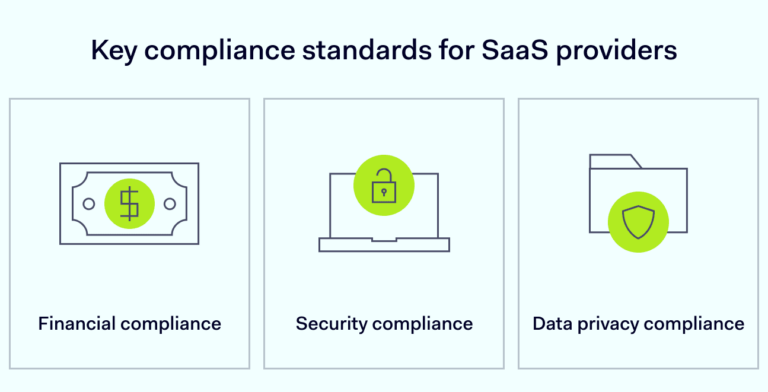
6. Security and Compliance
Ensure the platform follows industry standards for data protection and financial compliance.
Benefits of Using Multiple Finance SaaS Tools
In many cases, businesses use a combination of tools to create a complete financial ecosystem. For example:
- Use QuickBooks for accounting
- Integrate Stripe for payments
- Add Expensify for expense management
This modular approach allows businesses to customize their financial stack according to their specific needs.
Future Trends in Finance SaaS
The finance SaaS landscape continues to evolve rapidly. Here are some trends to watch:
1. AI-Powered Automation
Artificial intelligence is being used to automate bookkeeping, detect fraud, and provide financial insights.
2. Real-Time Analytics
Businesses will increasingly rely on real-time data to make faster decisions.
3. Integration with Fintech Solutions
Finance SaaS tools are integrating with banking APIs, lending platforms, and investment tools.
4. Enhanced Security
With growing cyber threats, SaaS providers are investing heavily in advanced security measures.
5. Mobile-First Solutions
More platforms are optimizing their tools for mobile use, enabling financial management on the go.
Common Mistakes to Avoid
When choosing and using finance SaaS tools, avoid these common pitfalls:
- Choosing based on price alone
- Ignoring scalability
- Overlooking integration capabilities
- Not training your team properly
- Failing to regularly review financial data
Final Thoughts
Finance SaaS tools have revolutionized how businesses manage their finances. Whether you’re a startup looking for a simple accounting solution or a large enterprise needing a comprehensive ERP system, there’s a tool tailored to your needs.
Platforms like QuickBooks Online, Xero, and NetSuite offer powerful capabilities that can transform your financial operations.
By carefully evaluating your requirements and choosing the right combination of tools, you can improve efficiency, gain better financial insights, and position your business for long-term success.
Conclusion
The right finance SaaS tools are not just about managing numbers—they are about empowering your business with data-driven decision-making, automation, and scalability. As technology continues to evolve, adopting these tools is no longer optional but essential for staying competitive in the modern business landscape.
Invest in the right solutions today, and you’ll build a strong financial foundation for tomorrow.