In today’s fast-evolving digital economy, small and medium enterprises (SMEs) are under constant pressure to streamline operations, reduce costs, and make smarter financial decisions. Traditional financial management methods—spreadsheets, manual bookkeeping, and legacy software—are no longer sufficient to keep up with modern business demands.
This is where Finance SaaS (Software as a Service) solutions come in. Platforms like QuickBooks, Xero, and FreshBooks have revolutionized how SMEs manage their finances by offering scalable, cloud-based, and cost-effective tools.
In this comprehensive guide, we will explore what Finance SaaS is, why it matters for SMEs, its key features, benefits, challenges, and how to choose the right solution for your business.
What Is Finance SaaS?
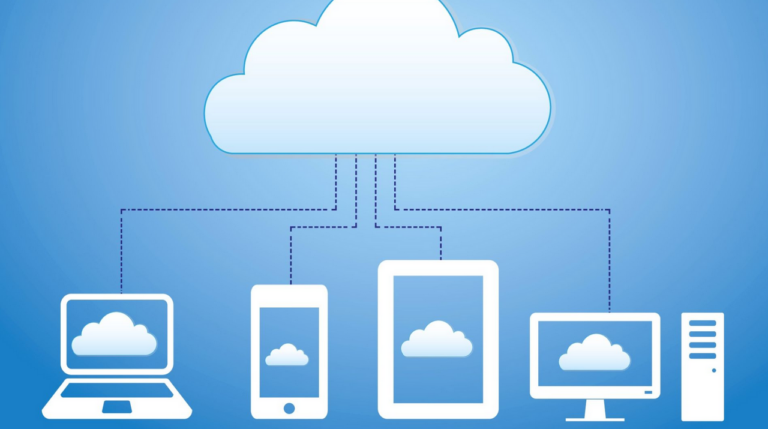
Finance SaaS refers to cloud-based financial software delivered over the internet. Instead of installing and maintaining software on local computers, businesses access these tools through a web browser or mobile app.
Unlike traditional financial systems, SaaS solutions are hosted by providers, which means:
- No complex installations
- Automatic updates
- Remote accessibility
- Subscription-based pricing
Finance SaaS covers a wide range of functions, including:
- Accounting and bookkeeping
- Payroll processing
- Expense management
- Financial reporting
- Budgeting and forecasting
- Tax compliance
Why SMEs Need Finance SaaS Solutions
Small and medium enterprises often operate with limited resources. Hiring large finance teams or investing in expensive enterprise software is not always feasible. Finance SaaS bridges this gap by providing powerful tools at affordable costs.
1. Cost Efficiency
Traditional financial systems require significant upfront investments in hardware, software licenses, and IT support. SaaS platforms operate on a subscription model, allowing SMEs to pay only for what they use.
2. Accessibility and Flexibility
With cloud-based access, business owners can manage finances anytime, anywhere. Whether you’re in the office or traveling, your financial data is always within reach.
3. Automation
Finance SaaS tools automate repetitive tasks such as:
- Invoice generation
- Expense tracking
- Bank reconciliation
This reduces manual errors and saves valuable time.
4. Real-Time Insights
Modern platforms provide real-time dashboards and analytics, enabling SMEs to make informed decisions quickly.
Key Features of Finance SaaS Solutions
When evaluating Finance SaaS platforms, SMEs should look for the following essential features:
1. Cloud-Based Accounting
Platforms like Xero offer full accounting capabilities, including:
- General ledger
- Accounts payable and receivable
- Bank reconciliation
2. Invoicing and Billing
Automated invoicing ensures timely payments and improves cash flow. Tools like FreshBooks excel in this area.
3. Expense Management
Track and categorize expenses effortlessly. Many platforms integrate with bank feeds to automatically import transactions.
4. Payroll Management
Finance SaaS tools can handle employee salaries, tax deductions, and compliance requirements.
5. Financial Reporting
Generate reports such as:
- Profit and loss statements
- Balance sheets
- Cash flow reports
6. Integration Capabilities
Most SaaS platforms integrate with other tools like CRM systems, e-commerce platforms, and payment gateways.
Benefits of Finance SaaS for SMEs
1. Scalability
As your business grows, Finance SaaS solutions scale with you. You can upgrade plans, add users, and access advanced features without switching systems.
2. Improved Accuracy
Automation reduces human error, ensuring more accurate financial data.
3. Enhanced Collaboration
Multiple users can access the system simultaneously, making it easier for teams and accountants to collaborate.
4. Data Security
Leading providers invest heavily in security measures such as:
- Encryption
- Multi-factor authentication
- Regular backups
5. Compliance and Updates
Finance SaaS platforms automatically update to comply with changing tax laws and regulations.
Popular Finance SaaS Solutions for SMEs
Here are some of the most widely used Finance SaaS platforms:
1. QuickBooks
- Ideal for small businesses
- User-friendly interface
- Strong reporting features
2. Xero
- Excellent integrations
- Real-time financial tracking
- Global usability
3. FreshBooks
- Best for freelancers and service-based businesses
- Easy invoicing
- Time tracking features
4. Zoho Books
- Affordable pricing
- Seamless integration with Zoho ecosystem
- Automation capabilities
5. Sage
- Advanced accounting tools
- Suitable for growing SMEs
- Strong compliance features
How Finance SaaS Improves Cash Flow Management
Cash flow is the lifeline of any SME. Finance SaaS tools provide powerful capabilities to manage it effectively.
Real-Time Cash Flow Monitoring
Dashboards show incoming and outgoing cash instantly, helping businesses stay on top of finances.
Automated Invoicing
Recurring invoices ensure consistent revenue streams.
Payment Reminders
Automated reminders reduce late payments and improve cash inflow.
Challenges of Adopting Finance SaaS
While Finance SaaS offers many benefits, SMEs should also be aware of potential challenges:
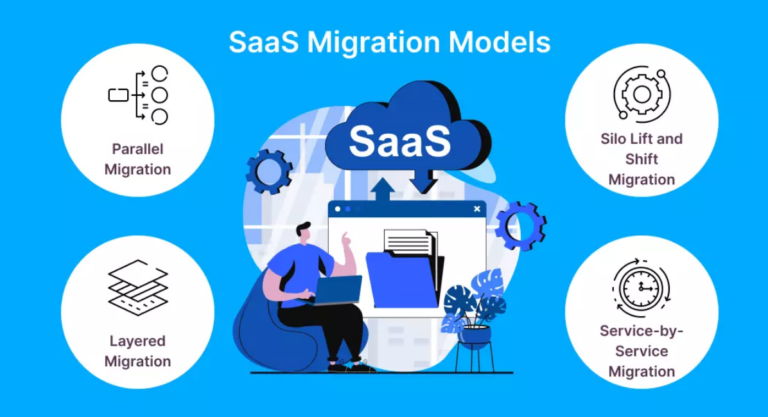
1. Data Migration
Transitioning from legacy systems can be complex and time-consuming.
2. Subscription Costs
Although affordable, long-term subscription costs can add up.
3. Internet Dependency
Since SaaS is cloud-based, reliable internet access is essential.
4. Learning Curve
Employees may need training to adapt to new systems.
Security Considerations
Security is a top concern when dealing with financial data. Leading Finance SaaS providers implement robust security measures, but SMEs should also:
- Use strong passwords
- Enable two-factor authentication
- Regularly review access permissions
How to Choose the Right Finance SaaS Solution
Selecting the right platform is crucial for maximizing benefits. Here are key factors to consider:
1. Business Needs
Identify your specific requirements:
- Do you need payroll?
- Do you handle international transactions?
2. Ease of Use
Choose a platform with an intuitive interface to reduce training time.
3. Pricing
Compare subscription plans and ensure they fit your budget.
4. Integration
Ensure compatibility with your existing tools.
5. Customer Support
Reliable support is essential for resolving issues quickly.
Future Trends in Finance SaaS
The Finance SaaS landscape is rapidly evolving. Here are some trends shaping the future:
1. Artificial Intelligence (AI)
AI-powered tools can:
- Predict cash flow
- Detect fraud
- Automate financial analysis
2. Blockchain Integration
Blockchain enhances transparency and security in financial transactions.
3. Mobile-First Solutions
More platforms are focusing on mobile accessibility for on-the-go financial management.
4. Advanced Analytics
Data-driven insights help SMEs make smarter strategic decisions.
Real-World Use Case
Imagine a small e-commerce business struggling with manual bookkeeping. After adopting a Finance SaaS solution like QuickBooks:
- Invoicing becomes automated
- Expenses are tracked in real time
- Financial reports are generated instantly
As a result, the business improves efficiency, reduces errors, and gains better financial visibility.
Tips for Successful Implementation
To ensure a smooth transition to Finance SaaS:
- Start with a trial version
- Train your team
- Migrate data carefully
- Set clear financial workflows
- Monitor performance regularly
Conclusion
Finance SaaS solutions have become essential tools for small and medium enterprises looking to thrive in a competitive business environment. By offering cost-effective, scalable, and user-friendly financial management systems, these platforms empower SMEs to focus on growth rather than administrative tasks.
Whether you choose Xero for its integrations, FreshBooks for its simplicity, or Zoho Books for its affordability, the key is to align the solution with your business needs.
As technology continues to evolve, Finance SaaS will play an even greater role in shaping the future of SME financial management. Businesses that embrace these tools today will be better positioned for success tomorrow.