In today’s fast-paced digital economy, businesses of all sizes are increasingly turning to Finance SaaS (Software as a Service) platforms to streamline operations, improve financial visibility, and enhance decision-making. From startups to large enterprises, the right finance software can transform how companies manage accounting, budgeting, forecasting, invoicing, and compliance.
However, with hundreds of Finance SaaS solutions available in the market, choosing the right platform for your business can feel overwhelming. Each tool promises efficiency, automation, and scalability—but not all are created equal.
This comprehensive guide will walk you through everything you need to know about selecting the right Finance SaaS platform for your business, ensuring you make a smart, future-proof investment.
What Is a Finance SaaS Platform?
A Finance SaaS platform is a cloud-based software solution designed to handle financial operations such as:
- Accounting and bookkeeping
- Expense management
- Payroll processing
- Financial reporting
- Budgeting and forecasting
- Tax compliance
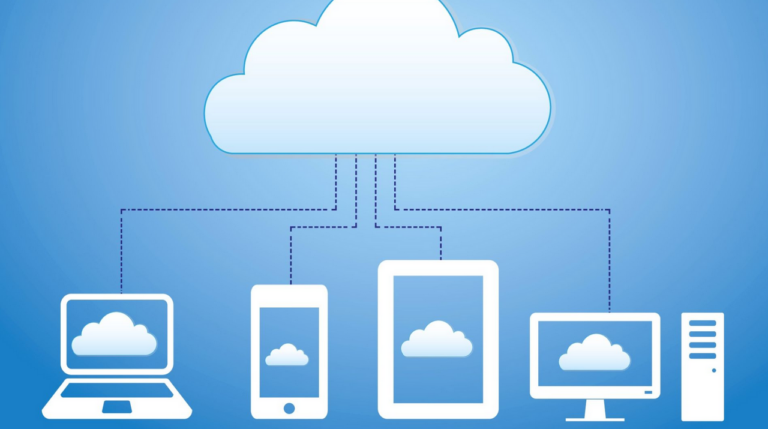
Unlike traditional on-premise software, SaaS platforms are hosted online, meaning you can access them anytime, anywhere, without needing complex installations or maintenance.
Why Choosing the Right Platform Matters
Selecting the wrong Finance SaaS platform can lead to:
- Inefficient workflows
- Data inaccuracies
- Security vulnerabilities
- Limited scalability
- Increased operational costs
On the other hand, the right solution can:
- Automate repetitive tasks
- Provide real-time financial insights
- Improve compliance and accuracy
- Scale with your business growth
- Enhance collaboration across teams
Step 1: Understand Your Business Needs
Before exploring any platform, start by identifying your specific requirements.
Ask Yourself:
- What financial processes do I need to automate?
- How many users will access the system?
- Do I need multi-currency or global compliance features?
- What is my budget?
Example Needs by Business Type:
- Startups: Simple accounting, invoicing, expense tracking
- SMEs: Payroll, tax compliance, reporting dashboards
- Enterprises: Advanced forecasting, integrations, multi-entity management
Understanding your needs helps narrow down your options and prevents overpaying for unnecessary features.
Step 2: Evaluate Core Features
A good Finance SaaS platform should offer robust and flexible features.
Essential Features to Look For:
1. Accounting and Bookkeeping
Ensure the platform supports:
- General ledger
- Accounts payable/receivable
- Bank reconciliation
2. Automation
Automation saves time and reduces errors:
- Automated invoicing
- Recurring billing
- Expense categorization
3. Financial Reporting
Look for:
- Real-time dashboards
- Custom reports
- Profit & loss statements
- Cash flow analysis
4. Budgeting and Forecasting
Advanced platforms provide:
- Scenario planning
- Predictive analytics
- Financial modeling
5. Compliance and Tax Management
Ensure the system:
- Supports local tax regulations
- Generates tax reports
- Maintains audit trails
Step 3: Check Integration Capabilities
Your Finance SaaS platform should seamlessly integrate with other tools you use.
Common Integrations:
- CRM systems
- Payment gateways
- E-commerce platforms
- Payroll systems
- Banking APIs
Why Integration Matters:
- Eliminates manual data entry
- Reduces errors
- Improves efficiency
- Provides unified data insights
If your business relies heavily on multiple tools, integration is a critical factor.
Step 4: Prioritize User Experience
A powerful platform is useless if it’s difficult to use.
Look for:
- Intuitive dashboard
- Easy navigation
- Minimal learning curve
- Mobile accessibility
Tip:
Request a demo or free trial to test usability. Involve your finance team in the evaluation process to ensure it meets their expectations.
Step 5: Assess Scalability
Your business will grow—and your software should grow with it.
Consider:
- Can it handle increased transaction volume?
- Does it support multiple entities or subsidiaries?
- Can you add more users easily?
- Are there advanced features available as you scale?
Choosing a scalable platform avoids the hassle of switching systems later.
Step 6: Evaluate Security and Compliance
Financial data is highly sensitive, so security should be a top priority.
Key Security Features:
- Data encryption
- Multi-factor authentication (MFA)
- Role-based access control
- Regular security audits
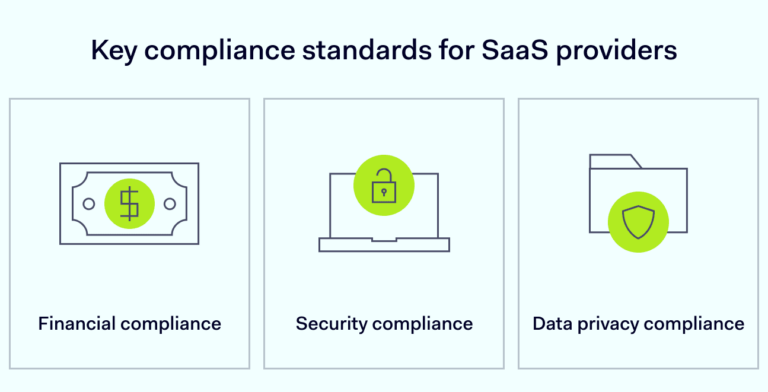
Compliance Standards:
- GDPR (for EU operations)
- SOC 2 certification
- ISO standards
Make sure the provider follows strict security protocols to protect your data.
Step 7: Compare Pricing Models
Finance SaaS platforms typically use subscription-based pricing.
Common Pricing Structures:
- Monthly or annual subscription
- Per-user pricing
- Tiered plans (basic, pro, enterprise)
Watch Out For:
- Hidden fees
- Extra charges for integrations
- Costs for additional users
- Premium support fees
Pro Tip:
Don’t just choose the cheapest option—focus on value for money.
Step 8: Review Customer Support
Reliable customer support can save you from major headaches.
Look for:
- 24/7 support availability
- Multiple support channels (chat, email, phone)
- Knowledge base and documentation
- Dedicated account manager (for larger businesses)
Why It Matters:
Quick support ensures minimal downtime and smooth operations.
Step 9: Read Reviews and Case Studies
Before making a final decision, research what other users are saying.
Sources to Check:
- Software review websites
- Customer testimonials
- Industry forums
What to Look For:
- Ease of use
- Reliability
- Customer support quality
- Real-world performance
Case studies can also provide insights into how the platform performs in businesses similar to yours.
Step 10: Request a Demo or Free Trial
Never commit without testing the platform.
During the Trial:
- Test key features
- Evaluate performance
- Check integration capabilities
- Assess user experience
Involve Your Team:
Get feedback from:
- Accountants
- Financial managers
- IT staff
This ensures the platform meets everyone’s needs.
Common Mistakes to Avoid
1. Choosing Based on Price Alone
Cheap solutions may lack essential features or scalability.
2. Ignoring Integration Needs
Disconnected systems lead to inefficiencies.
3. Overlooking Security
Compromised financial data can be disastrous.
4. Not Planning for Growth
Switching platforms later can be costly and time-consuming.
5. Skipping the Trial Phase
Always test before committing.
Top Benefits of the Right Finance SaaS Platform
When you choose the right platform, you unlock several benefits:
1. Increased Efficiency
Automation reduces manual work and speeds up processes.
2. Real-Time Insights
Access up-to-date financial data anytime.
3. Better Decision-Making
Accurate data leads to smarter business decisions.
4. Cost Savings
Reduced operational costs and IT expenses.
5. Improved Collaboration
Teams can access shared data in real time.
Future Trends in Finance SaaS
When choosing a platform, consider future trends to stay ahead:
1. AI and Machine Learning
Automated insights and predictive analytics.
2. Blockchain Integration
Enhanced transparency and security.
3. Advanced Analytics
Deeper financial insights and forecasting.
4. Mobile-First Platforms
Access financial data on the go.
5. API-Driven Ecosystems
Seamless integration with multiple tools.
Final Checklist Before Choosing
Use this checklist to ensure you’re making the right decision:
- ✅ Clearly defined business needs
- ✅ Essential features covered
- ✅ Strong integration capabilities
- ✅ User-friendly interface
- ✅ Scalable solution
- ✅ High-level security
- ✅ Transparent pricing
- ✅ Reliable customer support
- ✅ Positive user reviews
- ✅ Tested via demo or trial
Conclusion
Choosing the right Finance SaaS platform is a critical decision that can significantly impact your business’s efficiency, scalability, and financial health. By carefully evaluating your needs, comparing features, and testing platforms before committing, you can find a solution that aligns perfectly with your goals.
Remember, the best platform is not necessarily the most popular or the most expensive—it’s the one that fits your business requirements today while supporting your growth tomorrow.
Take your time, do thorough research, and invest in a Finance SaaS solution that empowers your business to thrive in an increasingly digital world.