In today’s rapidly evolving digital economy, businesses are increasingly turning to Finance Software-as-a-Service (SaaS) solutions to streamline financial operations, improve efficiency, and reduce costs. From accounting and payroll to tax management and financial reporting, Finance SaaS platforms offer scalable and flexible tools that support modern business needs.
However, with this convenience comes a significant responsibility: ensuring compliance. Regulatory requirements, data protection laws, and industry standards are becoming more stringent worldwide. Failing to comply can result in heavy fines, reputational damage, and even legal consequences.
This comprehensive guide will walk you through how to ensure compliance with Finance SaaS solutions, covering everything from understanding regulations to implementing best practices and leveraging technology effectively.
What Is Compliance in Finance SaaS?
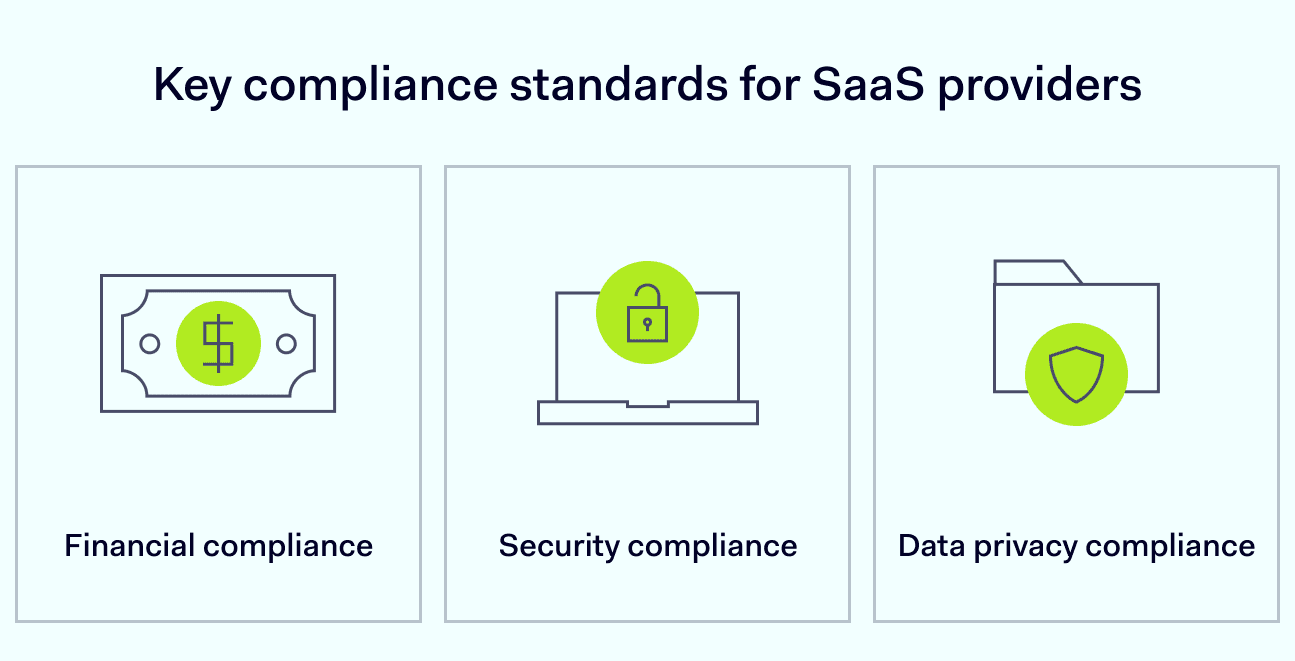
Compliance in Finance SaaS refers to adhering to laws, regulations, standards, and internal policies that govern financial data management and operations. This includes:
- Financial reporting standards
- Data privacy regulations
- Security requirements
- Industry-specific rules
Finance SaaS providers often operate in highly regulated environments, making compliance a critical aspect of their functionality.
Why Compliance Matters
1. Legal Protection
Non-compliance can lead to severe legal penalties. Governments and regulatory bodies enforce strict rules to protect consumers and ensure transparency.
2. Data Security
Finance SaaS platforms handle sensitive data such as bank details, tax records, and personal information. Compliance ensures this data is protected against breaches.
3. Business Reputation
Customers and partners trust businesses that follow regulations. Compliance enhances credibility and builds long-term relationships.
4. Operational Efficiency
Well-structured compliance processes reduce errors, improve reporting accuracy, and streamline workflows.
Key Regulations Affecting Finance SaaS
Understanding the regulatory landscape is the first step toward compliance.
1. Data Protection Laws
- GDPR (General Data Protection Regulation)
- CCPA (California Consumer Privacy Act)
These laws govern how personal data is collected, stored, and processed.
2. Financial Reporting Standards
- IFRS (International Financial Reporting Standards)
- GAAP (Generally Accepted Accounting Principles)
These standards ensure consistency and transparency in financial reporting.
3. Security Standards
- ISO 27001
- SOC 2
These frameworks define best practices for information security management.
4. Industry-Specific Regulations
Depending on your sector, you may need to comply with additional rules, such as:
- HIPAA (healthcare)
- PCI DSS (payment processing)
Steps to Ensure Compliance with Finance SaaS Solutions
1. Choose a Compliant SaaS Provider
Not all SaaS platforms are created equal. When selecting a Finance SaaS solution, ensure the provider:
- Has relevant certifications (SOC 2, ISO 27001)
- Offers data encryption and secure storage
- Provides audit logs and reporting tools
- Regularly updates its compliance policies
Pro Tip: Always review the provider’s compliance documentation before signing a contract.
2. Understand Your Compliance Requirements
Each business has unique compliance needs based on:
- Industry
- Location
- Customer base
Conduct a compliance assessment to identify:
- Applicable laws and regulations
- Data handling requirements
- Reporting obligations
3. Implement Strong Data Security Measures
Data security is at the heart of compliance. Key measures include:
Encryption
Ensure data is encrypted both:
- At rest
- In transit
Access Control
Implement role-based access control (RBAC) to restrict sensitive data access.
Multi-Factor Authentication (MFA)
Add an extra layer of security to prevent unauthorized access.
4. Establish Clear Internal Policies
Create and enforce internal policies that align with compliance requirements:
- Data handling procedures
- Employee access guidelines
- Incident response plans
Train employees regularly to ensure they understand and follow these policies.
5. Conduct Regular Audits
Audits help identify compliance gaps and ensure continuous improvement.
Types of audits:
- Internal audits
- External audits
- Third-party assessments
Use audit findings to strengthen your compliance framework.
6. Monitor and Update Compliance Practices
Regulations evolve over time. Stay updated by:
- Subscribing to regulatory updates
- Working with legal experts
- Regularly reviewing your compliance strategy
7. Maintain Proper Documentation
Documentation is essential for demonstrating compliance. Keep records of:
- Policies and procedures
- Audit reports
- Data processing activities
- Security measures
Proper documentation can protect your business during inspections or legal disputes.
8. Ensure Vendor and Third-Party Compliance
If your SaaS solution integrates with other tools or vendors, ensure they also comply with relevant regulations.
Conduct due diligence by:
- Reviewing vendor certifications
- Assessing security practices
- Including compliance clauses in contracts
9. Use Automation for Compliance Management
Modern Finance SaaS platforms often include compliance automation features such as:
- Real-time monitoring
- Automated reporting
- Alerts for suspicious activities
Automation reduces human error and ensures consistent compliance.
10. Develop an Incident Response Plan
Despite best efforts, incidents can occur. Be prepared with a clear response plan:
- Identify the issue quickly
- Contain the breach
- Notify relevant authorities
- Communicate with affected parties
A well-prepared response minimizes damage and ensures regulatory compliance.
Common Compliance Challenges
1. Complex Regulations
Different regions have different rules, making compliance difficult for global businesses.
2. Data Privacy Concerns
Handling large volumes of sensitive data increases the risk of breaches.
3. Integration Issues
Combining multiple SaaS tools can create compliance gaps.
4. Lack of Awareness
Employees may not fully understand compliance requirements.
Best Practices for Finance SaaS Compliance
1. Adopt a Compliance-First Mindset
Make compliance a core part of your business strategy, not an afterthought.
2. Invest in Training
Educate your team on:
- Data security
- Regulatory requirements
- Best practices
3. Leverage Technology
Use advanced tools for:
- Monitoring
- Reporting
- Risk management
4. Collaborate with Experts
Work with legal and compliance professionals to stay ahead of changes.
5. Perform Risk Assessments
Regularly evaluate risks and implement mitigation strategies.
Benefits of Staying Compliant
Ensuring compliance with Finance SaaS solutions offers several advantages:
- Reduced Risk: Avoid fines and legal issues
- Improved Security: Protect sensitive financial data
- Enhanced Trust: Build credibility with customers and partners
- Operational Efficiency: Streamline processes and reduce errors
- Scalability: Easily expand into new markets with confidence
Future Trends in Finance SaaS Compliance
1. Increased Automation
AI and machine learning will play a bigger role in compliance monitoring.
2. Stricter Regulations
Governments are continuously tightening data protection and financial rules.
3. Cloud Security Advancements
Enhanced security measures will improve SaaS compliance capabilities.
4. Global Standardization
Efforts are being made to harmonize regulations across regions.
Conclusion
Ensuring compliance with Finance SaaS solutions is not just a legal requirement—it’s a strategic advantage. By choosing the right provider, implementing robust security measures, and staying informed about regulatory changes, businesses can protect their data, maintain trust, and achieve long-term success.
Compliance may seem complex, but with the right approach and tools, it becomes a manageable and even beneficial part of your operations. As Finance SaaS continues to evolve, staying proactive and adaptable will be key to maintaining compliance in an increasingly regulated digital landscape.
Final Thoughts
If you’re using or planning to adopt a Finance SaaS platform, start by evaluating your current compliance posture. Identify gaps, implement best practices, and continuously monitor your systems.
Remember: compliance is not a one-time effort—it’s an ongoing process that requires attention, commitment, and the right technology.
By following the strategies outlined in this guide, you’ll be well-equipped to ensure compliance and maximize the benefits of your Finance SaaS solution.